



Paris, Mar 5 – Between March 2 and March 8, 2026, three global agricultural machinery giants - John Deere, Case New Holland Industrial (Case IH), and Claas – continued to shape the industry’s trajectory with a series of strategic moves, including production facility expansions, product upgrades, and technology showcases. Amid a global agricultural machinery market projected to reach $150–$200 billion in 2026, driven by precision farming adoption and labor scarcity, the three companies are doubling down on innovation and capacity to maintain their competitive edge, according to the latest industry reports from HDIN Research and Mordor Intelligence.
John Deere, the U.S.-based leader, made headlines this week with mixed financial news and technological debuts. On March 3, the company’s stock fell 1.85% despite beating Q1 2026 earnings forecasts, with $2.42 earnings per share (EPS) and $9.61 billion in revenue – a 13% year-over-year revenue increase driven by an 18% surge in equipment sales. CEO John May described 2026 as the “bottom of the current cycle,” citing projected challenges including a 15-20% contraction in the U.S. and Canada large agricultural equipment market and $1.2 billion in tariff costs for the fiscal year. Despite these headwinds, John Deere showcased an ethanol-powered tractor prototype at the 2026 Commodity Classic on March 3, signaling its commitment to alternative fuel solutions amid global emissions regulations. The company also emphasized its focus on small agricultural, turf, and construction segments to offset softness in large equipment demand, with management raising full-year net income guidance to $4.5–$5 billion.

Case IH, a core brand under CNH Industrial, focused on enhancing its product lineup and digital capabilities this week, building on its 2026 model upgrades. On March 4, the company highlighted the continued rollout of its 2026 Magnum Series tractors, which feature horsepower increases across the lineup – 15 horsepower for models 265, 295, 325, and 355, and 5 horsepower for models 385 and 405. The updated Magnum tractors come standard with Vector Pro receivers offering AFS1 correction, delivering a 40% improvement in pass-to-pass accuracy, along with lifetime telematics connectivity and integrated Field Ops™ mobile app support for real-time fleet monitoring and remote diagnostics. A Case IH technology spokesperson noted that the upgrades aim to address farmer needs for precision, connectivity, and operational efficiency, aligning with the industry’s shift toward data-driven farming.
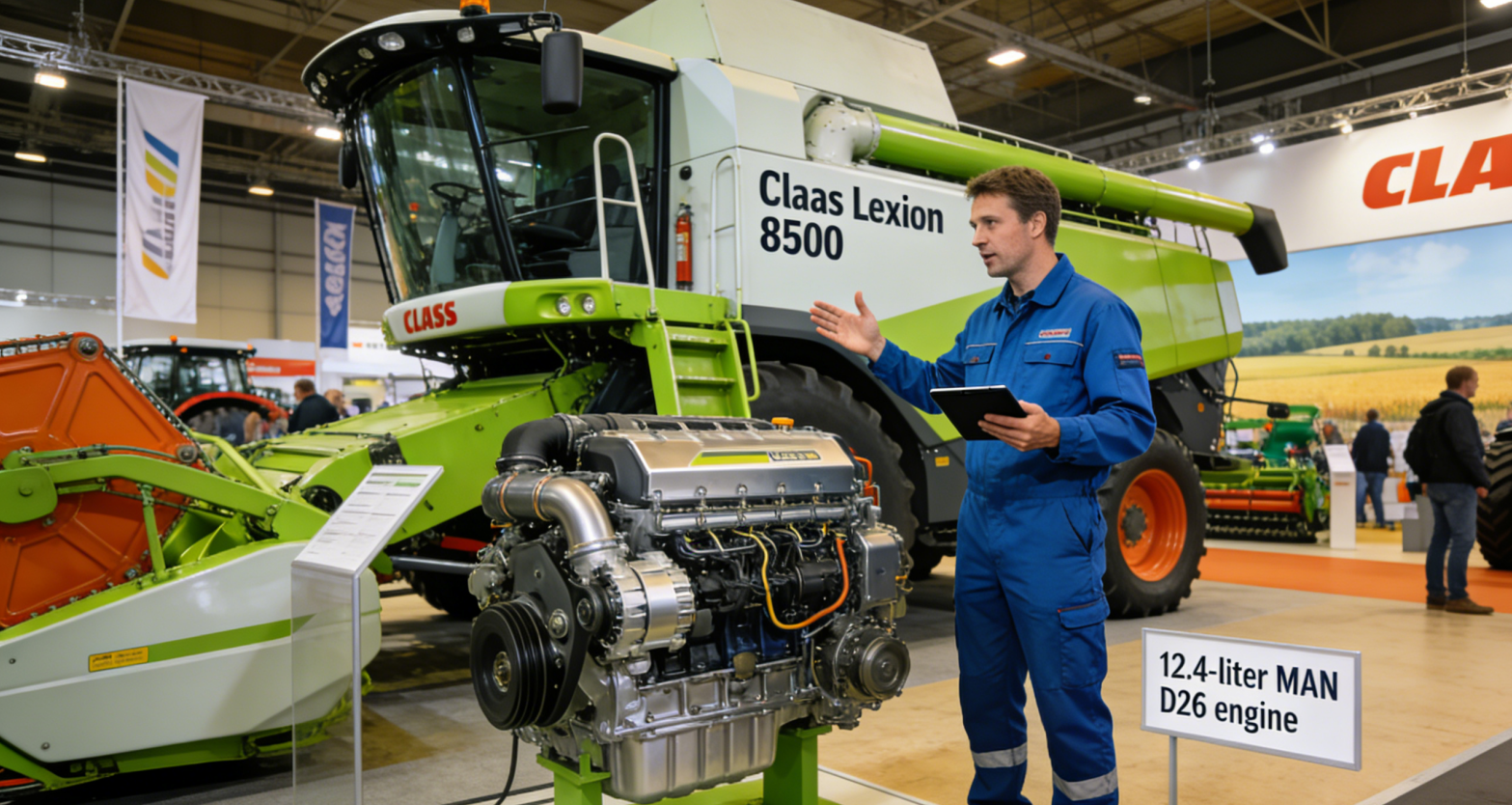
German giant Claas made significant strides in production expansion and product refinement between March 2 and March 6, 2026. On March 3, the company announced the continued ramp-up of production for its AXION 9 CMATIC large tractors at its modernized Le Mans, France, plant, where it has invested over €80 million since 2003 to expand and digitize operations. The AXION 9 CMATIC, which won the 2026 Tractor of the Year in the High Power category, began production in February 2026 and is now being delivered to customers worldwide, with over 1,300 customers from 20 countries having visited the Le Mans plant to experience the new tractors firsthand. Claas also highlighted updates to its Lexion 8000 Series combines, including the new entry-level Lexion 8500 model powered by a 12.4-liter MAN D26 engine delivering 549 horsepower, along with larger grain tanks and enhanced cab comfort features to reduce operator fatigue during long harvests.
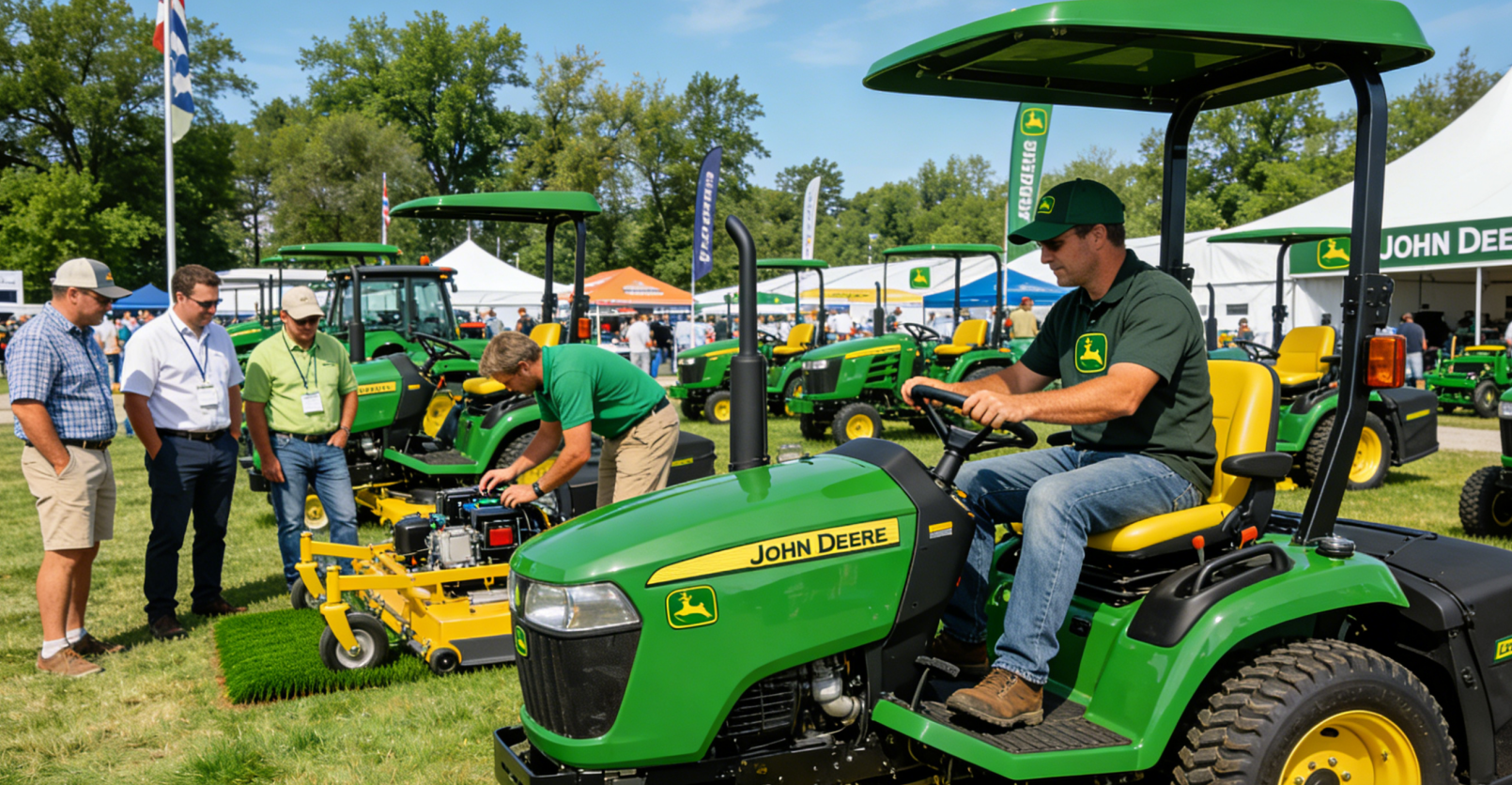
Industry analysts noted that the strategic moves by John Deere, Case IH, and Claas in early March 2026 reflect the industry’s dual focus on navigating near-term market challenges and investing in long-term growth. With the global agricultural machinery market projected to grow at a CAGR of 2.4% to 5.33% through 2031, driven by precision agriculture, labor shortages, and government mechanization subsidies, the three giants are well-positioned to capitalize on emerging opportunities. The emphasis on alternative fuels, digital connectivity, and production localization underscores their commitment to sustainability and supply chain resilience, which will be critical as the industry continues to evolve in response to environmental regulations and changing farm needs.
Post time: 03-06-2026
