


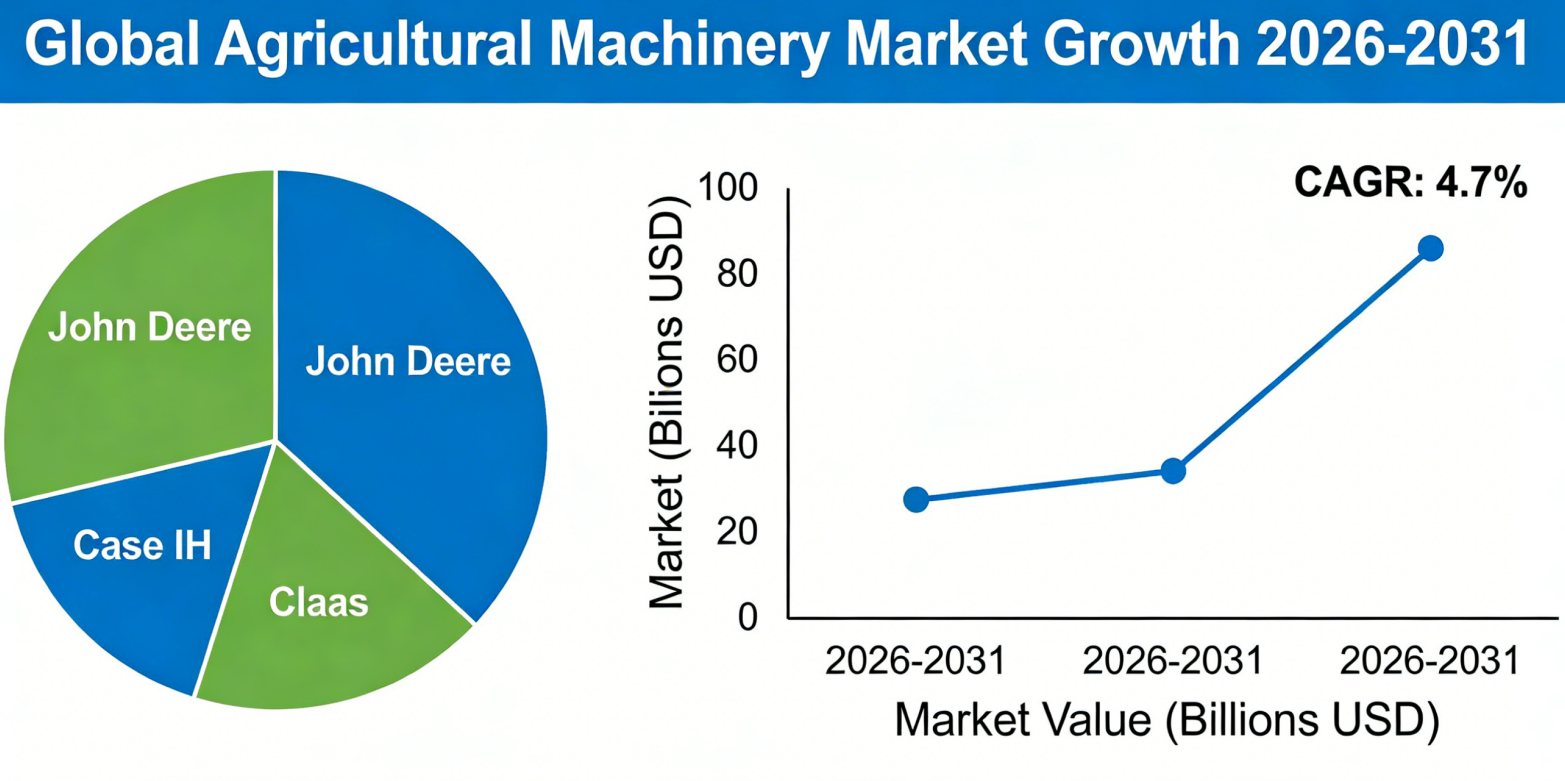
Chicago, Jan 29 In the final week of January 2026 (Jan 23 to Jan 29), three global agricultural machinery leaders – John Deere, Case New Holland Industrial (Case IH) and Claas - made successive headlines with technology recognitions, product debuts and capacity expansions. These moves, aligned with the industry’s shift toward intelligence, electrification and high efficiency, highlight their efforts to seize market opportunities amid tightening environmental regulations and growing global food security demands. The American Society of Agricultural and Biological Engineers (ASABE) and industry analysts noted that such initiatives will further consolidate the three giants’ dominance in the global agricultural machinery market, projected to grow 4.7% annually over the next five years.
U.S.-based John Deere took dual actions this week, combining technological innovation with manufacturing expansion. On Jan 27, the company announced plans to open two new U.S.-based facilities: a state-of-the-art parts distribution center near Hebron, Indiana, and an advanced excavator factory in Kernersville, North Carolina, both set to launch within a year. The Indiana distribution center will streamline parts supply for agricultural, turf and construction equipment across North America, ensuring timely delivery and enhancing after-sales support, while the $70 million North Carolina factory will shift excavator production from Japan to the U.S., creating hundreds of local jobs. Earlier, at the conclusion of CES 2026 in January, John Deere showcased its E Power battery-electric autonomous tractor prototype for vineyards and pastures, along with the X9 combine harvester equipped with advanced sensing systems for real-time crop monitoring and efficiency optimization. The company also highlighted its HDR45 hinged draper head, which independently tested to reduce canola grain loss by $2.40 USD per acre compared to competitors including Claas.
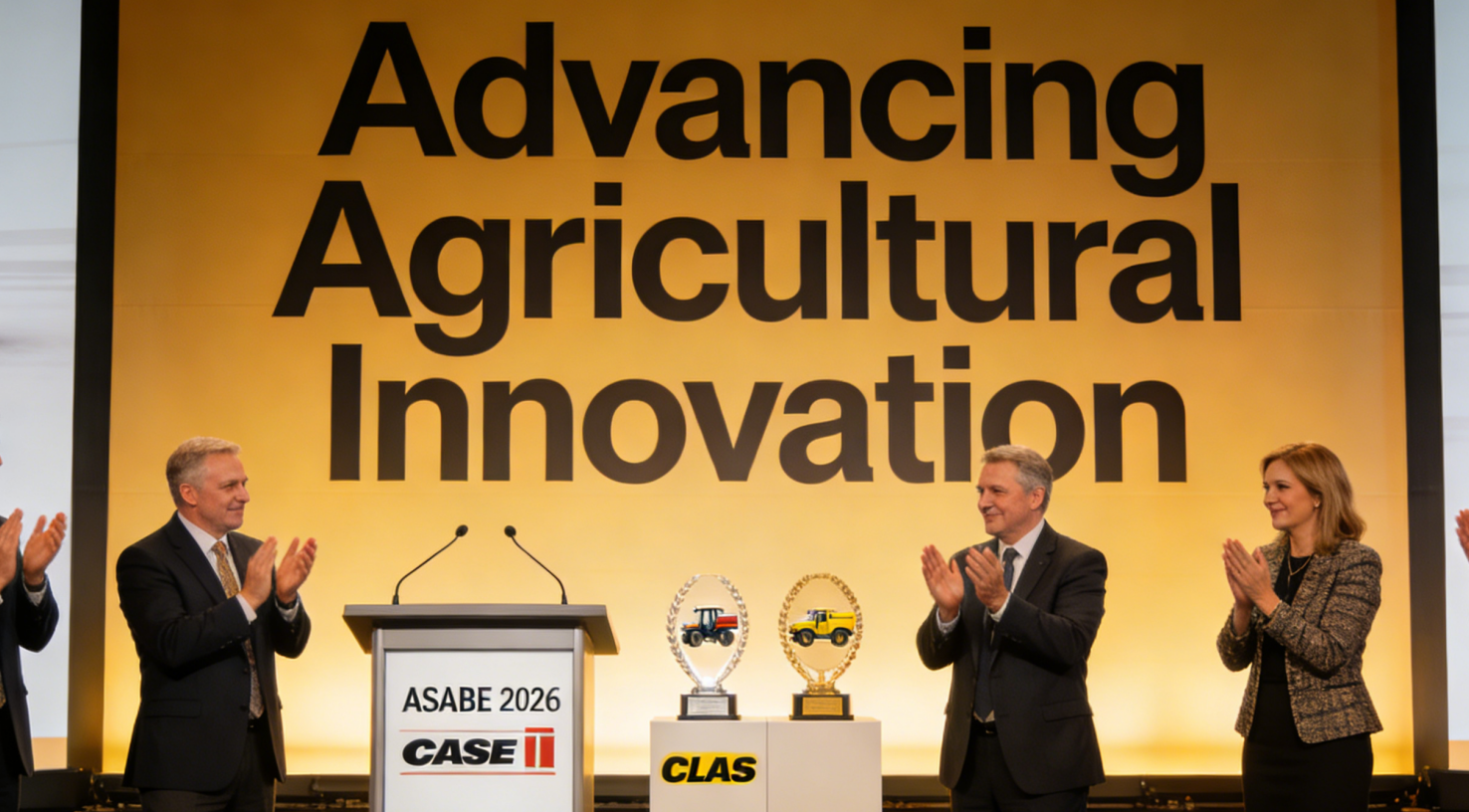
Case IH, a key brand under CNH Industrial, was honored with three 2026 AE50 Awards by ASABE on Jan 22, recognizing its outstanding innovations in precision agriculture and automation. The awarded technologies include the Sense Apply Automation system, which uses real-time camera sensing to detect crop health and weeds, automatically adjusting pesticide application rates to minimize waste; the Draft Tube Free Toolbar System for large planters, reducing weight and improving accessibility; and the Seedbed Sense Speed Control for field cultivators, which monitors soil conditions and adjusts tractor speed to maintain a consistent seedbed. A Case IH technology director stated, “These awards validate our commitment to developing practical, efficient solutions that address farmers’ most pressing challenges, from labor shortages to sustainability goals.” The company also noted that the Sense Apply system will be rolled out globally in the second quarter of 2026, with priority in Southeast Asia and Europe.
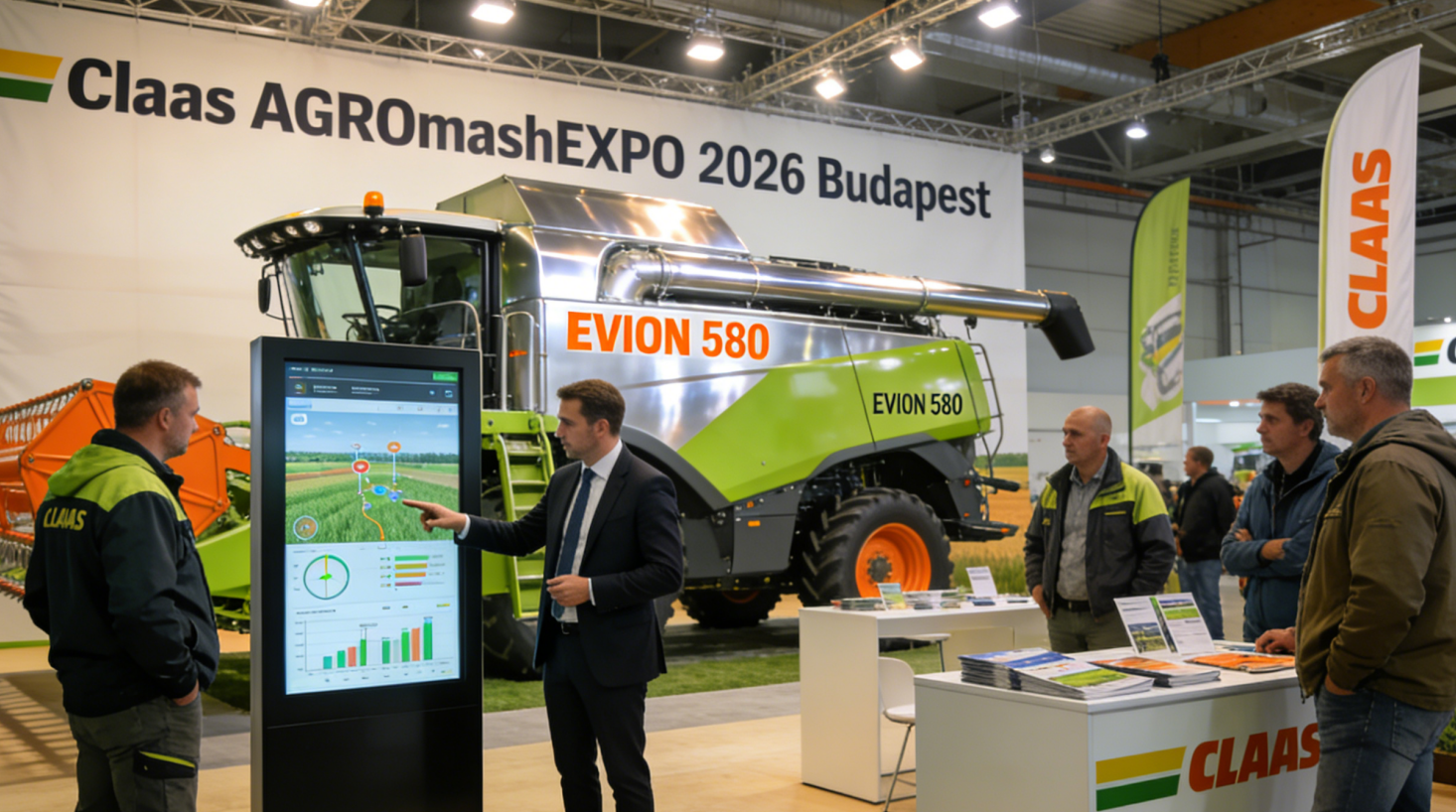
German giant Claas also secured two AE50 Awards from ASABE on Jan 20, honoring its Jaguar 1000 forage harvester series and Orbis 10500 corn header. The four-model Jaguar 1000 series, with engine outputs up to 1,110 horsepower, holds a Guinness World Record for forage harvesting, achieving 4,096 tonnes in 12 hours. It features the industry’s widest crop flow, homogeneous chopping quality and advanced digital assistance systems, including the new Nutrimeter for real-time forage quality monitoring. The Orbis 10500 corn header, with a 10.5-meter working width (14 rows), uses independent variable drives to ensure optimal harvesting quality in all conditions. Dennis Ogle, Claas of America’s sales manager, commented, “These innovations are co-developed with farmers to deliver real productivity gains and ease of use, reinforcing our leadership in forage harvesting technology.” Additionally, Claas participated in the AGROmashEXPO 2026 in Budapest (Jan 21-24), showcasing its EVION 580 smart combine harvester and intelligent farm management platform to expand its presence in Eastern Europe.
Industry experts noted that the密集 initiatives from John Deere, Case IH and Claas in late January reflect the global agricultural machinery industry’s focus on three key trends: intelligence, to reduce labor dependency; electrification, driven by strict emissions regulations in Europe and North America; and practical innovation, prioritizing real-world farmer needs over conceptual technologies. With global emissions regulations tightening – including the EU’s 55% emission reduction target by 2030 – all three companies are accelerating investments in electrification and alternative fuels, with John Deere recently acquiring a majority stake in battery technology firm Kreisel Electric to boost its electric equipment lineup. It is expected that these moves will drive further competition and innovation in the industry, benefiting farmers worldwide and supporting global food security efforts.
Post time: 01-30-2026
